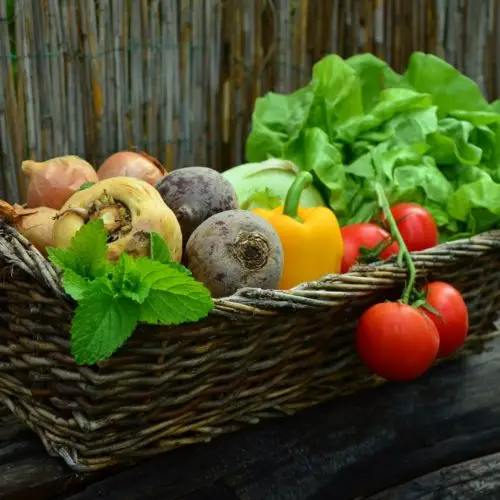
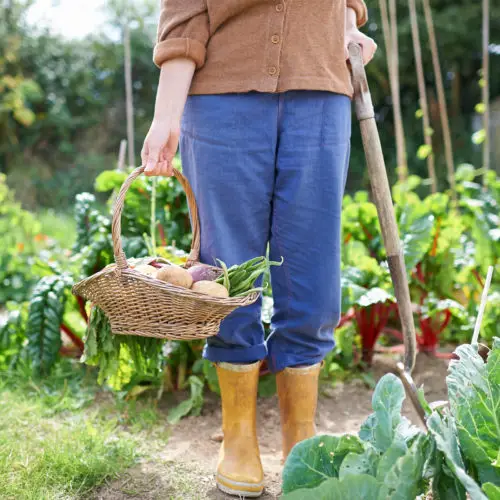
It’s time to harvest the last of the summer produce and start preparing for Autumn by planting and sowing new vegetables
Cooper & Co
Published on: 5 Mar, 2019
It’s time to harvest the last of the summer produce and start preparing for Autumn by planting and sowing new vegetables

When harvesting summer vegetables, don’t discard those with the odd mark or two. Perfect shapes and unblemished leaves do not make your crops taste any better.
Pick globe artichoke before young flower buds start to open, ideally when they are 5-10cm in diameter. Cut stem 8-10cm below the base of buds to keep them fresh for longer. Other buds will often form on the one stalk.
Dig up beetroot roots if plants are close together, taking out alternate plants in each row. This will allow remaining roots to get larger. Try this also with carrots and use thinnings in salads and stir-fries.
Potatoes can be harvested even if leaves haven’t completely turned brown, particularly if the weather is starting to get cold in your area. Make sure you remove all potato tubers from the ground when digging up your spuds as leaving small ones to germinate can cause diseases and attract pests next season. For a healthy vege garden it’s important to practise good crop rotation and never plant those in the same family two years in succession.
After potatoes, for instance, you could plant leafy greens, onions or anything in the cabbage family.
Wait until top growth has died down when harvesting yams. Likewise with pumpkin. As vines die down pick them with a little bit of stalk attached so they will store for longer.
Keep picking tomatoes as they start to turn red, yellow, black, purple or orange depending on the variety. If you want to pull out plants to make space for growing winter vegetables, hang any branches with green fruit on them in a warm, dry porch or inside the house, and they’ll generally ripen.
Tip
To rejuvenate tired lawns, dig out weeds and sow grass seed mixed with planting compost into bare patches. Poke the ground with a fork first to loosen the soil if necessary.
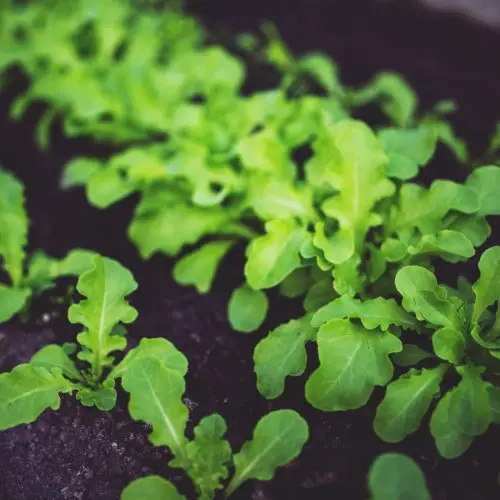
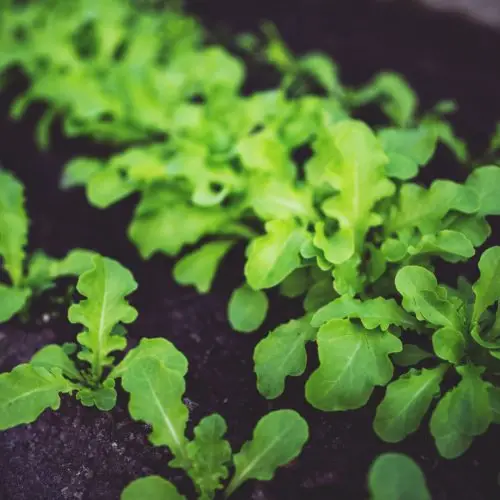
Spinach is an ideal, super-healthy winter crop and can be grown in cold and warm regions. Sow seed direct into the garden or into punnets if it’s chilly in your area. Plants will produce leaves for several weeks; harvest them individually if you prefer. Spinach contains lots of vitamin A and K plus folate, iron, manganese and magnesium. Protect young seedlings from frost if need be.
Collards are a little-grown winter crop. From the same family as cabbage and broccoli, collards are large, dark green, leafy plants similar to kale, grown widely in South America and parts of Africa, Europe and Asia. They’re said to have an anti-inflammatory effect, help lower cholesterol and support digestive systems, making them ideal for those with irritable bowel, Crohn’s disease or cardiovascular problems. Sow seed direct into the garden or seed trays and plant out in 4-6 weeks. Avoid sowing where you’ve recently grown another brassica.
If you like kale try sowing cavolo nero this autumn; it’s worth it for the beauty of its leaves and its nutritional benefits. Best in rich soil with plenty of organic matter such as compost, all kales need a sunny spot sheltered from cold winds. They can turn bitter in hot weather so in warmer northern areas plant in autumn when temperatures are cooler. Cover seed with 15mm of soil and keep mixture moist. Leaves are sweeter if plants receive plenty of moisture. Plant out when seedlings have 6 or more leaves.

Instead of the common green cabbage why not plant red cabbages this year? Their beautiful, wine-coloured leaves can turn your vege patch into a showpiece and your salads into gourmet delights. If you have space, plant a row of red cabbages in your garden to lure the white butterflies away from other vegetables. Soil needs to be fertile and not too light for all cabbages, red or green. Try ‘Scarlet O’Hara’ or ‘Regal Red’ varieties.
Parsley seedlings can be planted directly into the garden or pots now. Parsley is full of vitamin C and great for winter soups and stews. Keep planting thyme and other frost-hardy herbs too.
Cauliflower seedlings can also go into the garden, ideally somewhere out of the wind with rich, fertile soil. Also plant or sow celery, carrots, peas, broad beans and broccoli.
Words by: Carol Bucknell.
Source: Homestolove.co.nz
The post Here are the best vegetables to plant and harvest in the garden this March appeared first on Cooper & Co.
New Zealand’s property market may be shifting from a buyer’s market to a seller’s market, driven by greater buyer demand – in particular from first home buyers taking advantage of favourable h...
Read moreWith the Reserve Bank of New Zealand holding the Official Cash Rate (OCR) at 5.5 per cent in October 2023, borrowers are having to get used to higher interest rates and mortgage repayments, as a drop ...
Read moreWe are delighted to share that Harcourts has been honoured with the Reader’s Digest Quality Service Gold Award in Real Estate Agencies for the seventh consecutive year. This prestigious recognit...
Read moreDiscrimination is unlawful under tenancy law when it breaches the Human Rights Act.There are 13 Prohibited Grounds of Discrimination from Section 21 of the Human Rights Act 1993:1. Sex, including preg...
Read moreA National government means changes to the private rental sector, as the National party pledged in April 2023 to revoke two of Labour’s controversial tenancy law changes; “National has already com...
Read moreFamily Violence Regulations took effect at the end of December 2022, meaning that if a tenant had been subjected to family violence, they can provide their landlord with at least two days’ written n...
Read moreBe the first to hear what's happening with NAI Harcourts. Subscribe to our mailing list.
Share