

Open for inspections give you a great first impression of a property and you’ll know almost immediately if it’s one you want to pursue. But that first visit can be much more than a “once over lightly” impression. How do you make sure you’re getting as much information from it as possible?
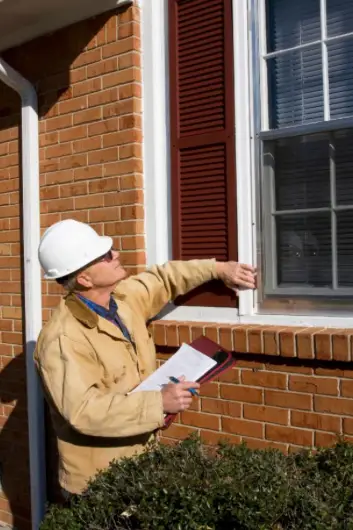
Use the time to perform a thorough first property inspection. Later on, you’ll want to engage professionals to inspect the building’s structure and health, but it’s a good idea to use your initial tour of the home to see some things for yourself.
The Structure
When inspecting a property, chances are the current owners are going to present the interior of the property in the best possible light. They will have cleaned and tidied, perhaps added a new coat of paint, or even had the home styled with beautiful furniture. Whilst these things will help you to appreciate what the home could look like for you, at this stage, it’s more important to focus on the dwelling’s structure.
Look For:
- Damage from pests. Recent termite damage in wooden structures is a huge red flag. Have a look for bores through wooden frames, or dirt tubes in the foundation or exterior walls that hint to borer infestation.
- Poor construction. Windows and doors that jar, or cracks in the walls around doors and windows are both signs of poor construction.
- Wet spots on walls or ceilings. Condensation within the home can lead to mould build-up, timber decay, leaks, corrosion and even loss of structural integrity.
- Cracks in the foundation. Some small cracks in a home’s foundation can be harmless, but large cracks either running down the foundation or across could mean a home is shifting, which can cause significant structural damage over time.
If you see anything through this process make a note of it, and make sure to mention it when you have a professional building inspector go through the property.







Share